

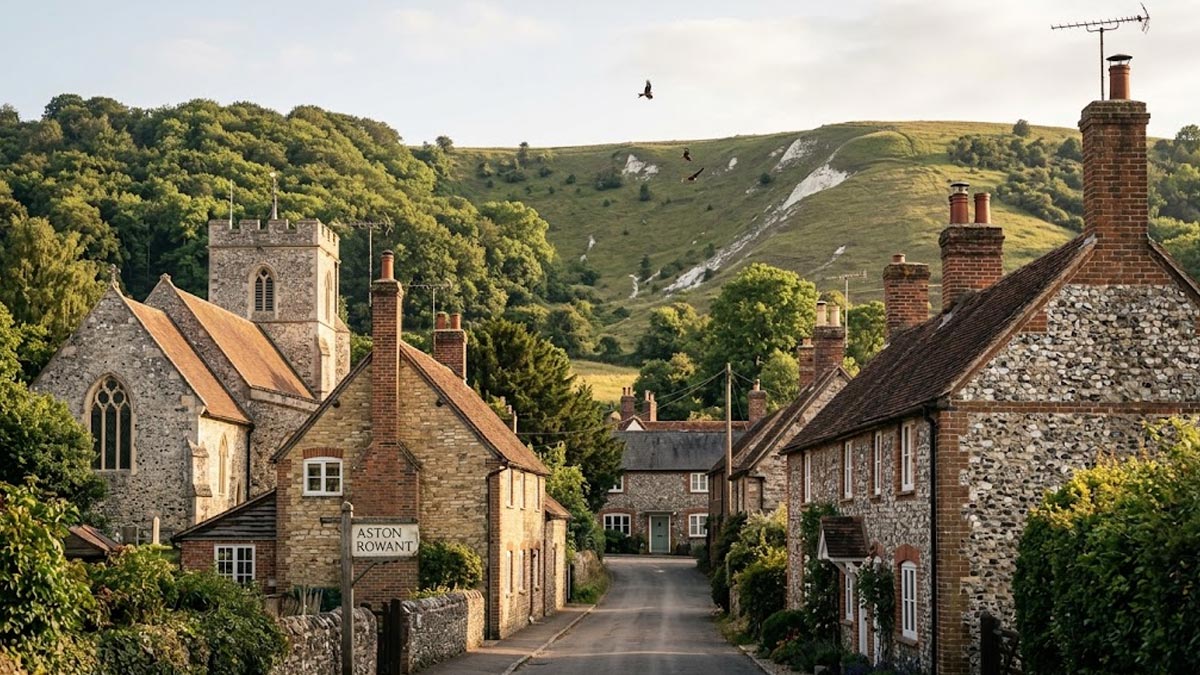
As the long frost of winter fades across South Oxfordshire, the Chiltern Hills undergo one of the most remarkable transformations in the natural calendar. The dramatic chalk escarpments, ancient beech woodlands, and hidden dry valleys seem to wake up overnight.
If you walk the trails between March and early April, the landscape feels vastly different from both the dense green of summer and the golden rust of autumn. Here is why the Chiltern countryside takes on such a unique, translucent atmosphere during early spring.
1. The Bare Beech Canopy Creates a “Window of Light”
The Chilterns are world-famous for their sweeping beech woods, often referred to as “beech cathedrals.” In late spring and summer, these tall trees form a canopy so dense that very little sunlight reaches the forest floor, casting the woodland interior into deep shade.
In early spring, however, the ancient beech trees are only just beginning to bud. Without their heavy leaves, pale sunlight streams directly down to the forest floor. This brief window of open canopy lights up the chalky soil, transforming dark, shadowy woods into bright, luminous spaces that feel completely open to the sky.
2. The Explosion of Early Woodland Flora
Because that canopy window is so brief, ground plants must act fast before the beech leaves close out the light. Early spring is when the Chiltern floor experiences its most dramatic botanical race:
- Snowdrops and Wood Anemones: The very first signals of spring carpet the woodland edges in delicate whites.
- The Early Bluebell Shoots: Long before the famous purple haze of late April, millions of green bluebell shoots push through the damp leaf litter, giving the brown earth a vivid, neon-green wash.
- Wild Garlic (Ramsons): In damp valley bottoms, dense patches of wild garlic emerge, filling the crisp morning air with a fresh, pungent aroma.
3. Exposed Chalk Streams and Rising Winterbournes
The Chilterns are formed from deep chalk rock, which acts like a giant natural sponge. During winter, rainwateraks deep into the ground. By early spring, the underground water table reaches its highest level of the year.
This creates a rare seasonal phenomenon: Winterbournes. These are temporary chalk streams that only flow in early spring when groundwater overflows. Dry, grassy ditches that you walked past in autumn suddenly transform into crystal-clear, bubbling streams. The legendary chalk rivers of the area—like the River Ewelme or the Chess—run at their clearest and fullest, reflecting the bright blue spring skies.
4. Stark Views Across the Chalk Escarpments
In peak summer, high hedgerows and leafy trees block many of the expansive views along ancient trackways like the Icknield Way and the Ridgeway.
In early spring, the dormant hedges and bare branches reveal sweeping, unobstructed panoramas across the Vale of Aylesbury and the Oxfordshire plains. The crisp, clean spring air offers exceptional visibility, allowing walkers on high points like Coombe Hill or Aston Rowant to see for miles across neighboring counties.
5. Wildlife Awakening on the Downland
As the earth warms, the open chalk downland becomes a hive of early activity:
- Red Kites on the Hunt: With low grass and open branches, the Chilterns’ iconic Red Kites are remarkably visible as they ride the early spring thermals looking for food.
- The First Skylarks: Standing on the open ridges, the quiet of early spring is broken by the high-pitched, energetic song of skylarks rising high above the fields.
Tips for an Early Spring Walk in the Chilterns
- Footwear is Key: Early spring thaw means chalky paths can be famously slick and muddy. Bring sturdy, waterproof hiking boots.
- Spotting the Transition: Mid-March is ideal for wide-open views and flowing chalk streams, while early April catches the magical moment when green leaf buds just begin to burst.
- Best Locations: Head to the Aston Rowant Nature Reserve, Cowleaze Wood, or the trails around Stokenchurch for the quintessential Chilterns experience.
Leave a Reply